
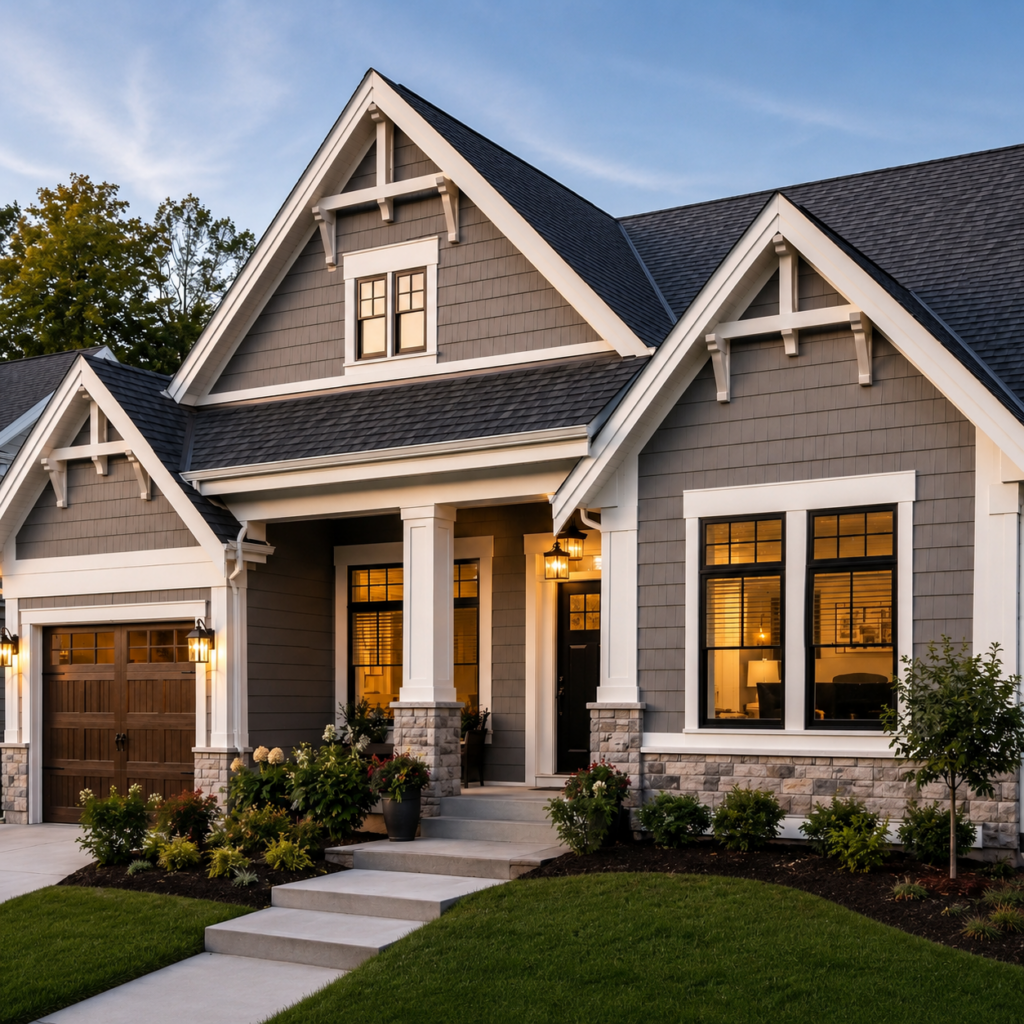
Elevate Your Curb Appeal: A Guide to Exterior Trim Styles
Transform your home’s exterior with stunning trim styles that enhance curb appeal. Discover how to elevate your property’s charm and value effortlessly!
Understanding Curb Appeal and Its Importance
Curb appeal refers to the attractiveness of a property and its surroundings when viewed from the street. It is a critical factor in creating a positive first impression for potential buyers, visitors, and even passersby. A well-maintained and visually appealing exterior can significantly impact a home’s market value and desirability. In today’s competitive real estate market, curb appeal can be the difference between a quick sale and a property that lingers on the market.
The importance of curb appeal goes beyond just aesthetics. It reflects the care and attention that homeowners invest in their property. A home with strong curb appeal signals to potential buyers that the property has been well-maintained and cared for, which can translate into fewer future maintenance issues. Additionally, an attractive exterior can foster a sense of pride and satisfaction for homeowners, enhancing their overall enjoyment of the property.
Investing in curb appeal is not just about making a good impression; it’s also about adding tangible value to your home. Simple improvements such as landscaping, painting, and updating exterior trim can yield a high return on investment. Whether you plan to sell your home soon or simply want to enhance its appearance, elevating your curb appeal is a worthwhile endeavor.
Overview of Exterior Trim Styles
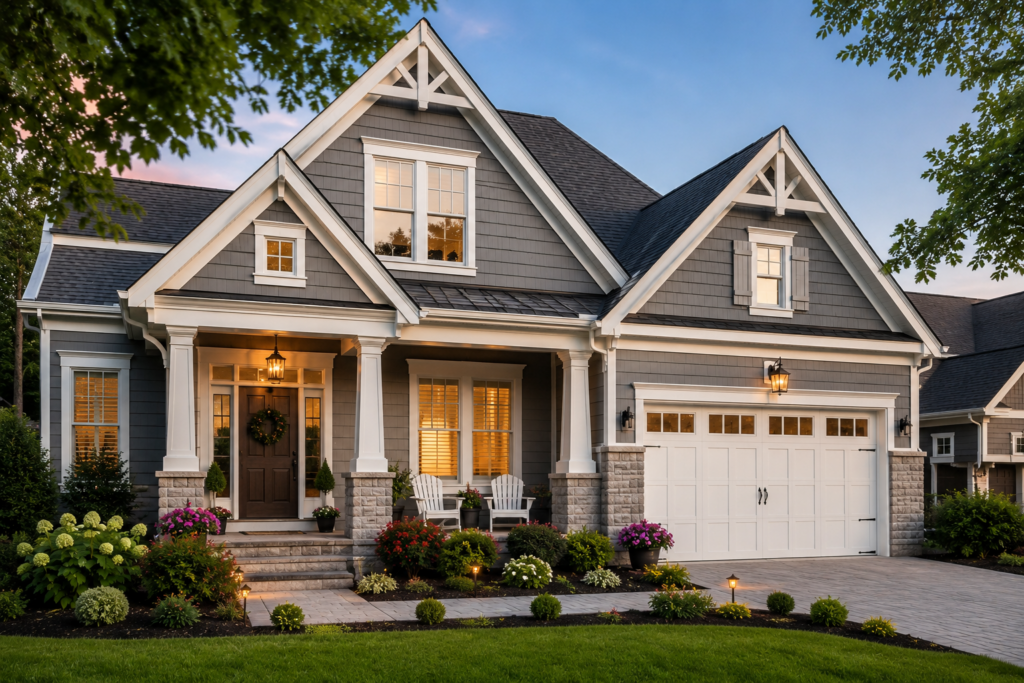
Exterior trim styles play a crucial role in defining the overall look and feel of a home. Trim elements include features such as window casings, door frames, fascia boards, soffits, and decorative accents. These components can be customized to complement the architectural style of your home, adding a layer of sophistication and detail that enhances curb appeal.
The choice of trim style can dramatically alter the appearance of a home. From classic to contemporary, there are a variety of styles to choose from, each offering a unique aesthetic. Classic trim styles, such as Colonial and Victorian, are characterized by intricate details and ornate designs that evoke a sense of history and tradition. In contrast, modern trim styles, such as Contemporary and Minimalist, focus on clean lines and simplicity, creating a sleek and updated look.
Selecting the right trim style involves considering the architectural style of your home, personal preferences, and the overall design vision you wish to achieve. It’s important to strike a balance between aesthetics and functionality, ensuring that the trim not only enhances the visual appeal but also serves practical purposes such as protecting against the elements and providing structural support.
Classic Trim Styles: Colonial and Victorian
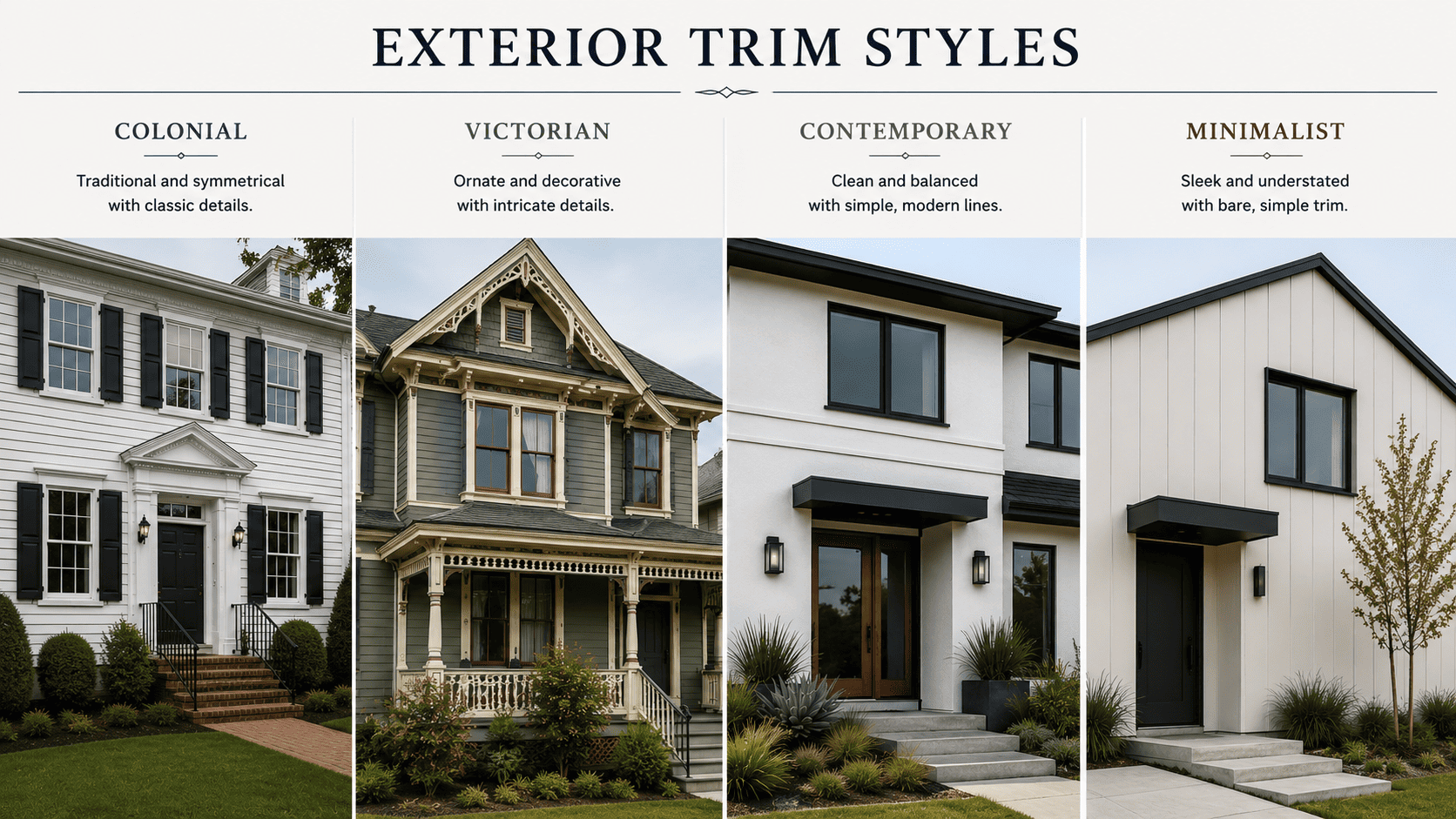
Colonial and Victorian trim styles are two of the most enduring and beloved classic designs. These styles are characterized by their intricate details, symmetry, and historical references, making them ideal for homes that seek to evoke a sense of elegance and timelessness.
Colonial trim style is inspired by the early American colonial period, featuring simple yet refined details. Common elements include symmetrical window and door casings, decorative crown moldings, and pilasters that mimic classical columns. The emphasis is on proportion and balance, creating a harmonious and stately appearance. Colonial trim often incorporates natural materials such as wood, painted in traditional colors like white or muted tones to enhance the historical aesthetic.
Victorian trim style, on the other hand, is known for its elaborate and ornate details. Emerging during the Victorian era, this style features intricate patterns, decorative brackets, gingerbread trim, and spindle work. Victorian trim often includes vibrant colors and contrasting hues to highlight the architectural intricacies. This style is perfect for those who appreciate a sense of grandeur and whimsy, with each trim element adding to the overall opulence of the home.
Both Colonial and Victorian trim styles require a careful approach to ensure that the details are executed with precision. The use of high-quality materials and skilled craftsmanship is essential to achieve the desired effect. Homeowners who choose these classic styles can look forward to a home that exudes charm, character, and a connection to historical architectural traditions.
Modern Trim Styles: Contemporary and Minimalist
For those seeking a more updated and streamlined appearance, contemporary and minimalist trim styles offer a perfect solution. These modern designs focus on simplicity, clean lines, and functionality, creating a sleek and uncluttered look that complements modern architecture.
Contemporary trim style emphasizes bold shapes and innovative materials. It often features large, unadorned window casings, smooth surfaces, and geometric forms. The use of metal, glass, and composite materials is common, adding a touch of industrial chic to the exterior. Contemporary trim is all about making a statement with minimal elements, allowing the architecture itself to shine without excessive decoration.
Minimalist trim style takes simplicity to the next level, focusing on the bare essentials to create a clean and Zen-like appearance. This style is characterized by its absence of ornate details, relying instead on precise lines and monochromatic color schemes. Minimalist trim often involves flat, unembellished window and door frames, straightforward fascia boards, and subtle soffits. The goal is to create a sense of calm and order, with every element serving a purpose without unnecessary embellishments.
Both contemporary and minimalist trim styles require a keen eye for detail and a commitment to quality. The simplicity of these designs means that any imperfections or inconsistencies will be more noticeable, so precision in installation and finishing is paramount. Homeowners who opt for modern trim styles can enjoy a sophisticated and cutting-edge exterior that reflects current design trends and a forward-thinking approach.
FAQ
Selecting the right material for your exterior trim is a critical decision that affects both the appearance and durability of your home. There are several materials to choose from, each with its own set of advantages and considerations. The key is to find a material that complements your home’s style, fits your budget, and meets your maintenance preferences.
Wood is a traditional and popular choice for exterior trim due to its natural beauty and versatility. It can be easily painted or stained to match any color scheme and can be crafted into intricate designs for classic styles. However, wood requires regular maintenance to protect against moisture, insects, and rot. It is important to use high-quality, treated wood to ensure longevity and reduce the need for frequent repairs.
Vinyl trim is a low-maintenance alternative to wood, offering durability and resistance to the elements. It comes in a variety of colors and styles, making it easy to find an option that suits your home. Vinyl trim is also resistant to peeling, cracking, and fading, providing a long-lasting solution with minimal upkeep. However, it may not offer the same level of detail and customization as wood, which can be a consideration for those seeking intricate designs.
Fiber cement trim is another durable option that combines the benefits of both wood and vinyl. It is resistant to moisture, insects, and fire, making it a robust choice for exterior applications. Fiber cement can be painted in any color and can mimic the appearance of wood, providing a versatile and long-lasting solution. It is heavier and more difficult to install than other materials, so professional installation is often recommended.
The impact of exterior trim styles on home value cannot be overstated. Well-chosen and professionally installed trim can significantly enhance the visual appeal of a property, making it more attractive to potential buyers. A home with beautiful trim details stands out in the real estate market, often commanding higher offers and quicker sales.
Trim styles that complement the architectural design of the home add a sense of cohesion and thoughtfulness to the overall appearance. Buyers are drawn to homes that exhibit a harmonious blend of elements, as it indicates a well-planned and executed design. Classic trim styles like Colonial and Victorian can evoke feelings of nostalgia and charm, appealing to buyers who appreciate historical and traditional aesthetics. Modern trim styles like Contemporary and Minimalist attract those who prefer a clean, updated look, showcasing the home’s modern features.
In addition to visual appeal, the quality and condition of the trim can also affect home value. Trim that is well-maintained and made from durable materials signals to buyers that the home has been cared for and is less likely to have hidden issues. Conversely, trim that is damaged, peeling, or poorly installed can detract from the overall impression and raise concerns about potential maintenance costs.
Investing in high-quality trim and ensuring that it is properly installed and maintained is a wise decision for homeowners looking to maximize their property’s value. Whether you plan to sell your home soon or simply want to enhance its curb appeal, the right trim style can make a significant difference in how your home is perceived and valued in the market.
When it comes to updating your exterior trim, one of the key decisions you’ll need to make is whether to tackle the project yourself or hire a professional. Both options have their pros and cons, and the right choice depends on your skill level, budget, and the complexity of the project.
DIY trim installation can be a rewarding and cost-effective option for those with the necessary skills and tools. It allows you to have complete control over the process and make adjustments as needed. However, it’s important to be realistic about your abilities and the time required to complete the project. Trim installation requires precision and attention to detail, and mistakes can be costly to fix. If you’re confident in your carpentry skills and have experience with similar projects, DIY can be a satisfying way to enhance your home’s curb appeal.
Hiring a professional, on the other hand, ensures that the job is done correctly and efficiently. Professionals have the expertise and tools needed to achieve a high-quality finish, and they can handle any challenges that arise during the installation process. While hiring a professional comes with a higher upfront cost, it can save you time and stress in the long run. Additionally, a professional installation may come with a warranty or guarantee, providing extra peace of mind.
Consider the scope and complexity of your trim project when making your decision. For simple updates or small areas, DIY may be feasible and cost-effective. For large-scale projects or intricate designs, hiring a professional is likely the better option to ensure a flawless and durable result. Ultimately, the goal is to achieve a beautiful and lasting finish that enhances your home’s curb appeal.
Maintaining your exterior trim is essential to preserving its appearance and protecting your home from the elements. Regular upkeep can extend the lifespan of your trim and prevent costly repairs down the line. Here are some key maintenance tips to keep your trim looking its best.
First, perform regular inspections of your trim to identify any signs of damage or wear. Look for cracks, peeling paint, rot, and insect infestations. Addressing these issues early can prevent them from worsening and causing more extensive damage. For wood trim, pay particular attention to areas that are prone to moisture exposure, such as around windows and doors.
Cleaning your trim is another important maintenance task. Dirt, grime, and mildew can accumulate on the surface, diminishing its appearance and potentially causing damage. Use a mild detergent and a soft brush to clean the trim, rinsing thoroughly with water. Avoid using harsh chemicals or pressure washers, as these can damage the material. For vinyl and fiber cement trim, follow the manufacturer’s cleaning recommendations to avoid voiding any warranties.
Painting or staining your trim regularly is crucial to maintaining its protective barrier against the elements. For wood trim, a fresh coat of paint or stain every few years can help prevent moisture infiltration and rot. Be sure to use high-quality, exterior-grade products that are designed to withstand the weather conditions in your area. For other materials like vinyl and fiber cement, periodic touch-ups may be needed to address any fading or damage.
Finally, ensure that the caulking and sealing around your trim are in good condition. Caulk can deteriorate over time, leading to gaps that allow moisture and pests to enter. Reapply caulk as needed to maintain a watertight seal. By staying on top of these maintenance tasks, you can keep your exterior trim looking beautiful and functioning effectively for years to come.
Conclusion: Enhancing Your Home's First Impression
Elevating your home’s curb appeal with the right exterior trim style can make a significant impact on its overall appearance and value. From understanding the importance of curb appeal to exploring various trim styles and materials, this guide has provided you with the knowledge and inspiration needed to transform your home’s exterior.
Whether you prefer the timeless elegance of Colonial and Victorian trim or the sleek simplicity of Contemporary and Minimalist designs, there are endless possibilities to enhance your home’s charm. By carefully selecting the right materials, color schemes, and finishing touches, you can create a cohesive and visually appealing look that reflects your personal style and complements your home’s architecture.
Remember that the quality of the installation and regular maintenance are crucial to ensuring that your trim remains in top condition. Whether you choose to tackle the project yourself or hire a professional, the goal is to achieve a beautiful and durable finish that enhances your home’s first impression.
Investing in your home’s exterior trim is not just about aesthetics; it’s about creating a welcoming and well-maintained property that stands out in the neighborhood. By following the tips and insights provided in this guide, you can elevate your curb appeal and enjoy the benefits of a stunning and valuable home.
Think you need new windows?
Please fill out the form, so we can learn more about you and your needs.
By submitting this form, you agree to Taylor Home Improvement’s Privacy Policy. You consent to receive phone calls and SMS messages from Taylor Home Improvement to provide updates on your order, respond to inquiries, and send promotional or marketing content. Message frequency depends on your activity. You may opt out at any time by texting “STOP”. Reply “HELP” for more information. Message and data rates may apply.