
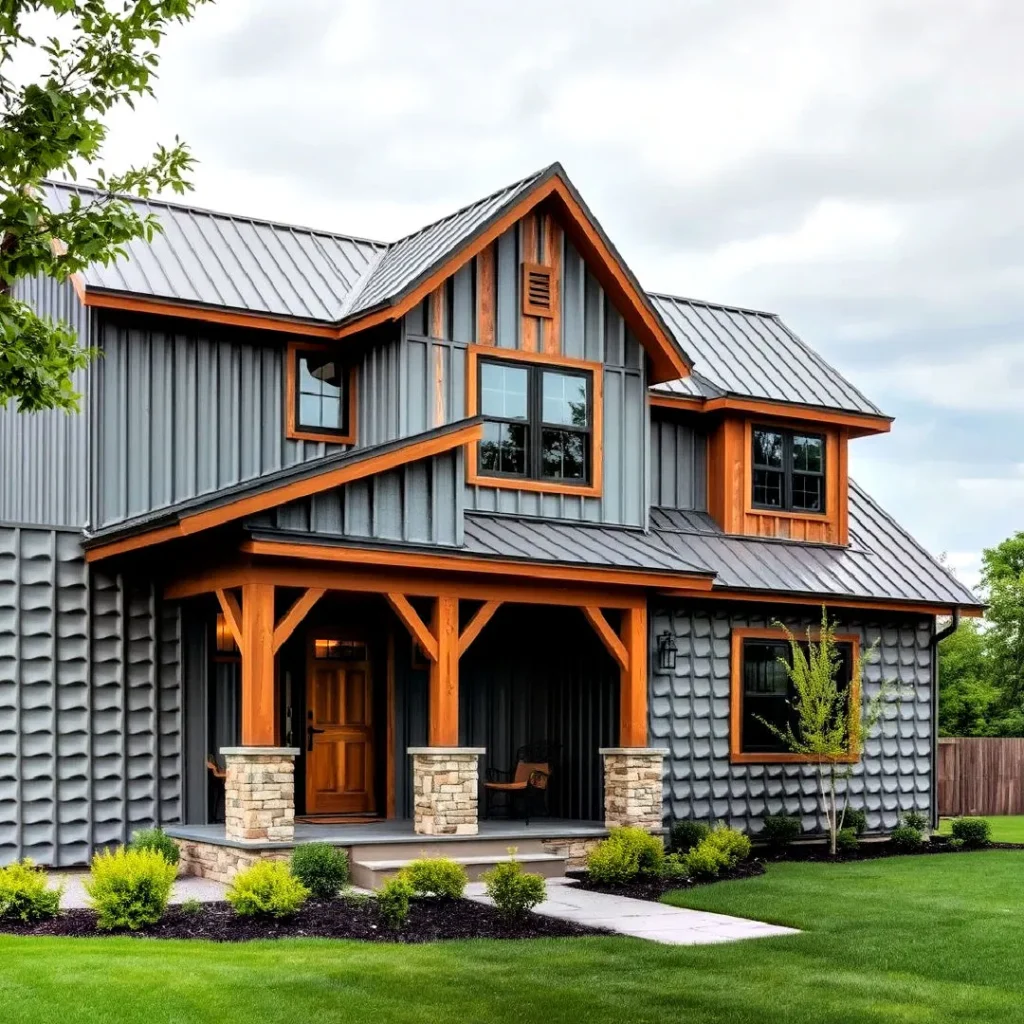
Top 5 Siding Materials for Your Home: A Complete Guide
Choosing the right siding material can transform your home’s curb appeal and protect it from the elements. Explore our complete guide to the top 5 siding options!
Importance of Choosing the Right Siding
Choosing the right siding for your home is a critical decision that can have long-lasting impacts on both the aesthetic appeal and structural integrity of your residence. The exterior of your home is the first thing people see, and it sets the tone for the overall impression. High-quality siding can enhance the architectural features of your home, adding both charm and value. Moreover, the right siding material can significantly affect your home’s energy efficiency, potentially reducing heating and cooling costs over time.
Beyond aesthetics and energy efficiency, siding plays a vital role in protecting your home from the elements. Wind, rain, snow, and UV rays can all take a toll on the structural integrity of your house if it isn’t adequately protected. A suitable siding material creates a barrier that shields your home from moisture infiltration and temperature fluctuations, thereby preventing issues such as mold, mildew, and structural damage. This protection is especially crucial in regions with extreme weather conditions.
Additionally, the right siding choice can influence the maintenance requirements and longevity of your home’s exterior. Some materials require frequent upkeep and can deteriorate quickly if not properly maintained, while others offer durability and minimal maintenance. By selecting the right siding, you can ensure that your home remains beautiful and well-protected for years to come, reducing the need for costly repairs and replacements.
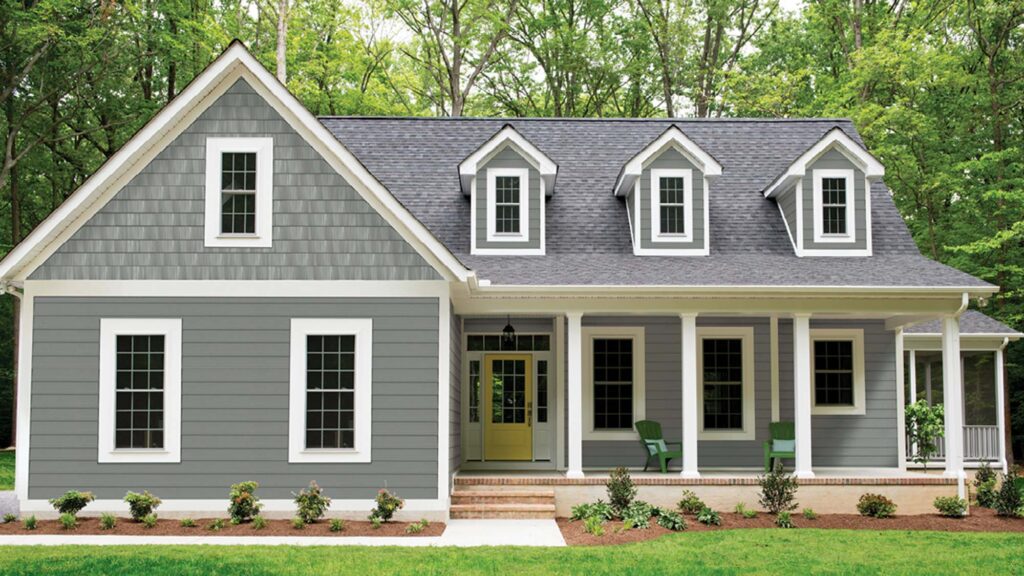
Overview of the Top 5 Siding Materials
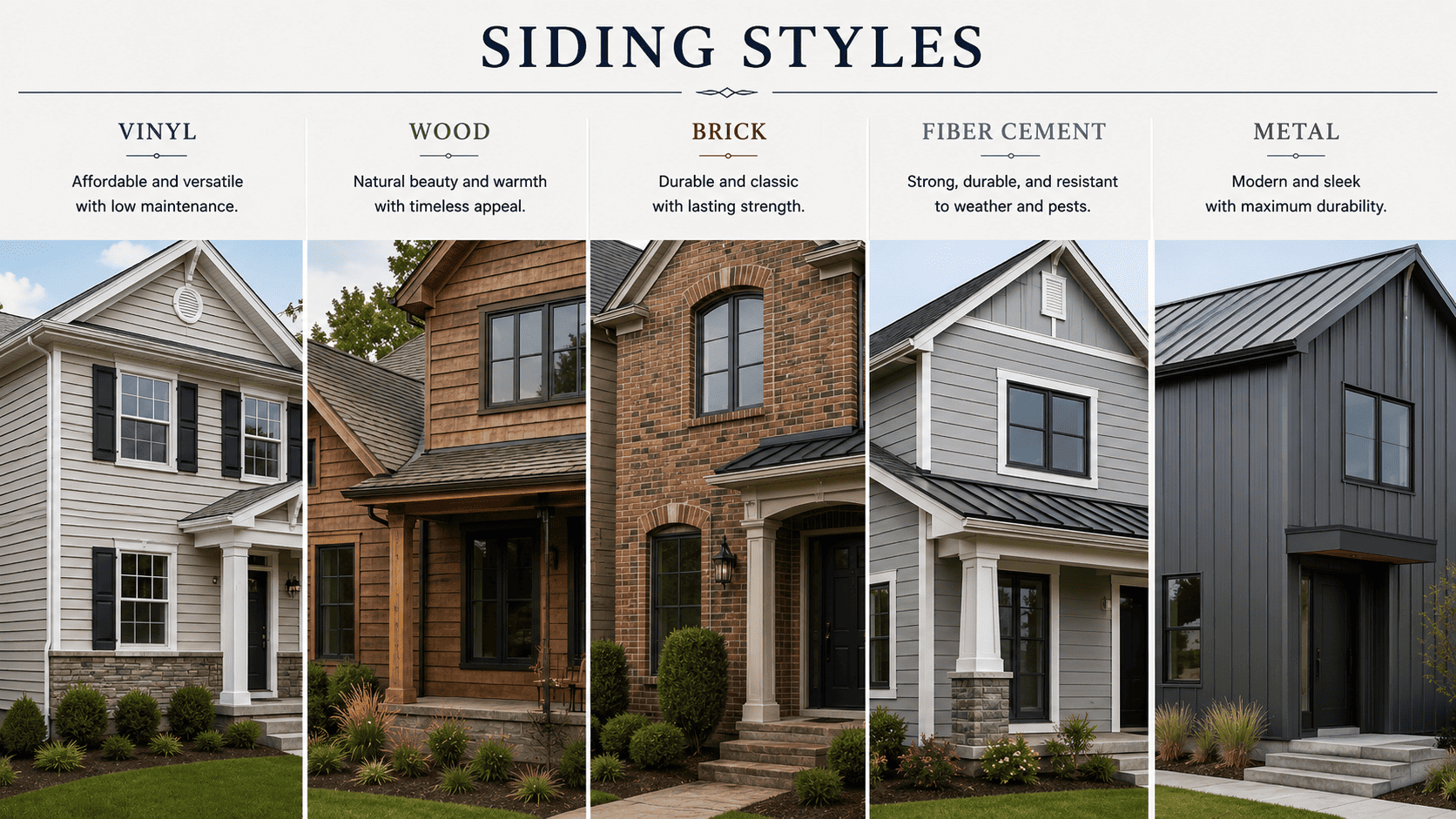
When it comes to choosing siding materials, homeowners have a wealth of options, each with its own set of benefits and drawbacks. Understanding these nuances can help you make an informed decision that aligns with your needs, budget, and aesthetic preferences. In this guide, we’ll explore the top five siding materials: vinyl, wood, fiber cement, brick, and metal. Each of these materials offers unique advantages and can be an excellent choice depending on your specific circumstances.
Vinyl siding is one of the most popular choices due to its affordability, versatility, and low maintenance requirements. It comes in a wide range of colors and styles, making it easy to match any architectural design. Wood siding, on the other hand, offers a timeless and classic look that can enhance the natural beauty of your home. While it requires more maintenance than vinyl, many homeowners find the aesthetic appeal worth the effort.
Fiber cement siding is known for its durability and ability to mimic the appearance of wood without the associated maintenance challenges. It’s a robust option that offers excellent resistance to weather, pests, and fire. Brick siding provides a sense of timeless elegance and unmatched strength, making it a long-lasting and sturdy option. Finally, metal siding is becoming increasingly popular for its modern look and low maintenance needs. It’s a great choice for homeowners seeking a contemporary aesthetic with the added benefit of durability.
Vinyl Siding: Pros and Cons
Vinyl siding has gained immense popularity over the years, and for good reasons. One of its most significant advantages is its affordability. Compared to other siding materials, vinyl is relatively inexpensive, making it an attractive option for budget-conscious homeowners. Despite its lower cost, vinyl siding doesn’t compromise on durability. It’s resistant to moisture and won’t rot or warp, ensuring your home remains protected for years.
Another notable benefit of vinyl siding is its low maintenance requirements. Unlike wood siding, which needs regular painting or staining, vinyl siding retains its color and finish with minimal upkeep. A simple wash with a garden hose is often enough to keep it looking fresh and clean. Additionally, vinyl siding is available in a wide range of colors and styles, allowing homeowners to achieve their desired look without the need for painting.
However, vinyl siding does have its drawbacks. One of the primary concerns is its susceptibility to cracking or breaking under extreme weather conditions. While it’s generally durable, severe impact can damage the material. Additionally, vinyl siding is not the most environmentally friendly option, as it’s made from PVC, a type of plastic. While advancements in recycling have improved its eco-friendliness, it still lags behind more sustainable materials like wood or fiber cement.
Wood Siding: A Classic Choice
Wood siding exudes a timeless charm that many homeowners find irresistible. Its natural beauty and warmth can enhance the overall aesthetic of any home, making it a popular choice for those who appreciate classic and traditional designs. Wood siding comes in various styles, including clapboard, shingles, and shakes, providing a range of options to suit different architectural preferences.
One of the primary advantages of wood siding is its versatility. It can be painted or stained in virtually any color, allowing homeowners to customize their home’s exterior to their liking. Additionally, wood siding is relatively easy to repair. If a section gets damaged, it can be replaced without having to redo the entire siding. This makes it a practical option for maintaining the appearance and integrity of your home over time.
However, wood siding does come with its challenges. It requires regular maintenance, including painting, staining, and sealing, to protect it from moisture, insects, and rot. Without proper care, wood siding can deteriorate quickly, leading to costly repairs. Moreover, wood is more susceptible to fire compared to other siding materials, which can be a concern for homeowners in fire-prone areas. Despite these challenges, many find the timeless appeal of wood siding well worth the effort.
Fiber Cement Siding: Durability Meets Aesthetics
Fiber cement siding has emerged as a popular choice for homeowners seeking a balance between durability and aesthetics. Composed of a mixture of cement, sand, and cellulose fibers, this material offers exceptional strength and resilience. One of its most significant advantages is its ability to mimic the appearance of wood, providing a similar aesthetic without the associated maintenance challenges.
One of the standout features of fiber cement siding is its durability. It’s highly resistant to weather-related damage, including rot, warping, and cracking. Additionally, fiber cement siding is non-combustible, making it an excellent choice for homes in fire-prone areas. Its resistance to pests, such as termites, further enhances its appeal as a long-lasting and low-maintenance option.
While fiber cement siding offers numerous benefits, it does come with a higher upfront cost compared to materials like vinyl or wood. The installation process can also be more complex, requiring specialized tools and expertise. However, many homeowners find that the long-term durability and minimal maintenance requirements justify the initial investment. With its ability to enhance the curb appeal of any home while providing robust protection, fiber cement siding is a compelling choice for many.
Brick Siding: Timeless Elegance and Strength
Brick siding has long been revered for its timeless elegance and unmatched strength. Its classic appearance can add a sense of grandeur and sophistication to any home, making it a popular choice for those seeking a stately and enduring look. Brick siding is available in various colors, sizes, and textures, allowing homeowners to achieve a customized appearance that complements their architectural style.
One of the most significant advantages of brick siding is its durability. Brick is incredibly strong and can withstand harsh weather conditions, including high winds, heavy rain, and extreme temperatures. It also offers excellent fire resistance, providing an added layer of protection for your home. Additionally, brick siding requires minimal maintenance, as it doesn’t rot, warp, or deteriorate over time.
However, the benefits of brick siding come with a higher price tag. The cost of materials and installation can be substantial, making it one of the more expensive siding options. Additionally, brick siding can be more challenging to install, requiring skilled labor to ensure proper placement and stability. Despite these challenges, many homeowners find the long-term durability and aesthetic appeal of brick siding to be well worth the investment.
Metal Siding: Modern and Low Maintenance
Metal siding is becoming an increasingly popular choice for homeowners seeking a modern and sleek appearance. Its contemporary look can enhance the architectural features of any home, making it a favorite for those who appreciate minimalist and industrial designs. Metal siding is available in various materials, including aluminum and steel, each offering unique benefits.
One of the primary advantages of metal siding is its low maintenance requirements. Unlike wood or vinyl, metal siding doesn’t rot, warp, or crack, making it a durable and long-lasting option. It’s also resistant to pests, such as termites, and can withstand extreme weather conditions, including high winds and heavy rain. Additionally, metal siding is fire-resistant, providing an added layer of protection for your home.
However, metal siding does have its drawbacks. One of the main concerns is its susceptibility to dents and scratches, particularly with softer metals like aluminum. While these imperfections can often be repaired, they can detract from the overall appearance of the siding. Additionally, metal siding can be more expensive than vinyl or wood, both in terms of materials and installation. Despite these challenges, many homeowners find the modern aesthetic and low maintenance benefits of metal siding to be a worthwhile investment.
Conclusion and Recommendations
Choosing the right siding material for your home is a crucial decision that can significantly impact its appearance, durability, and overall value. Each of the top five siding materials—vinyl, wood, fiber cement, brick, and metal—offers unique advantages and drawbacks, making it essential to consider your specific needs, budget, and aesthetic preferences.
For those seeking an affordable and low-maintenance option, vinyl siding is an excellent choice. Its versatility and wide range of styles make it easy to achieve your desired look without breaking the bank. If you appreciate the timeless beauty of natural materials, wood siding offers a classic appeal, though it requires regular maintenance to keep it in top condition.
Fiber cement siding is a compelling option for homeowners looking for a balance between durability and aesthetics. Its ability to mimic the appearance of wood, combined with its resistance to weather and pests, makes it a long-lasting and attractive choice. Brick siding, with its timeless elegance and unmatched strength, is ideal for those willing to invest in a premium material that offers both beauty and durability. Finally, metal siding provides a modern and sleek appearance, with the added benefit of low maintenance and fire resistance.
Ultimately, the best siding material for your home will depend on your priorities and preferences. By carefully considering the pros and cons of each option, as well as the associated costs, you can make an informed decision that enhances the curb appeal and protection of your home for years to come.
Think you need new siding?
Please fill out the form, so we can learn more about you and your needs.
By submitting this form, you agree to Taylor Home Improvement’s Privacy Policy. You consent to receive phone calls and SMS messages from Taylor Home Improvement to provide updates on your order, respond to inquiries, and send promotional or marketing content. Message frequency depends on your activity. You may opt out at any time by texting “STOP”. Reply “HELP” for more information. Message and data rates may apply.