
How Long Should a Roof Last in Indiana?
You’ve noticed dark, gritty specks collecting in your gutters again, and you’re pretty sure that’s not supposed to be normal. Those granules coming off your shingles are usually what gets a homeowner thinking hard about the roof over their head for the first time in years.
If you’re asking how long a roof should last, the honest answer depends on your roofing materials, how well your roof was installed, and how much severe weather it’s taken on.
Central Indiana’s mix of humid summers, freeze-thaw winters, and spring storms all play a role. A roof on a shaded, north-facing slope in Noblesville can easily outlast an identical roof baking in full sun a few streets over.
How Long Should a Roof Last Based on Material?
Whatever roofing materials you choose, remember that these numbers describe a well-maintained roof under normal conditions. A single bad hailstorm or years of skipped roof maintenance can knock a decade or more off any of these estimates, regardless of what the manufacturer’s warranty promises.
Asphalt Shingles
Asphalt shingles are the most common roofing materials on homes in Noblesville and across Hamilton County. Standard 3-tab shingles typically have a life expectancy of 15 to 20 years, while architectural shingles last closer to 25 to 30 years thanks to their thicker, layered construction.
Metal Roofs
Metal roofs, especially a standing seam metal roof, can last 40 to 70 years with proper maintenance. They shed snow well and hold up better against Indiana’s severe weather than most other options, though the upfront cost runs higher than asphalt.
Tile Roofs
Clay tile and concrete tile roofs both offer a long life expectancy, often 50 years or more. Clay tile roofs handle UV rays and heat exceptionally well, but Central Indiana’s freeze-thaw cycle means clay and concrete tile need a home built to support their weight. Any cracked tiles on tile roofs should get fixed quickly before water gets underneath.
Slate Roofing
Slate roofing is one of the longest-lasting roofing materials available, sometimes exceeding 75 to 100 years. It’s rare on homes in this area mostly because of cost and the structural reinforcement it requires, not because it doesn’t hold up.
Wood Shingles
Wood shingles, usually cedar, offer a classic look but need more roof maintenance than most other materials. With regular care, cedar shingles last around 25 to 30 years, though moss growth and mold growth are more of a concern in humid Indiana summers.
What Affects Your Roof's Longevity Beyond the Material?
Roof longevity depends on more than just what your shingles are made of.
Proper Ventilation
Ventilation, specifically attic ventilation, keeps heat and moisture from building up under your roof deck, which extends the life of nearly every roofing material.
Exposure to UV Rays and Storm Damage
UV rays break down roofing materials over time no matter what you’ve installed, which is why granule loss on asphalt shingles tends to speed up on south-facing slopes. Storm damage from Indiana’s spring weather can also shorten a roof’s expected lifespan well before it reaches the end of its rated years.
Quality of Installation
Quality of installation matters just as much as the materials themselves. A poorly installed roof, even with premium architectural shingles, will develop problems years ahead of schedule. That’s why it’s worth asking any professional roofing contractor about their workmanship warranty before signing a contract for roof installation.
What Are the Warning Signs Your Roof Needs Repair or Replacement?
A few signs tend to show up before a roof fails completely. Watch for:
- Missing shingles: Gaps in your roofline expose the roof deck to water and should get a roof repair quickly.
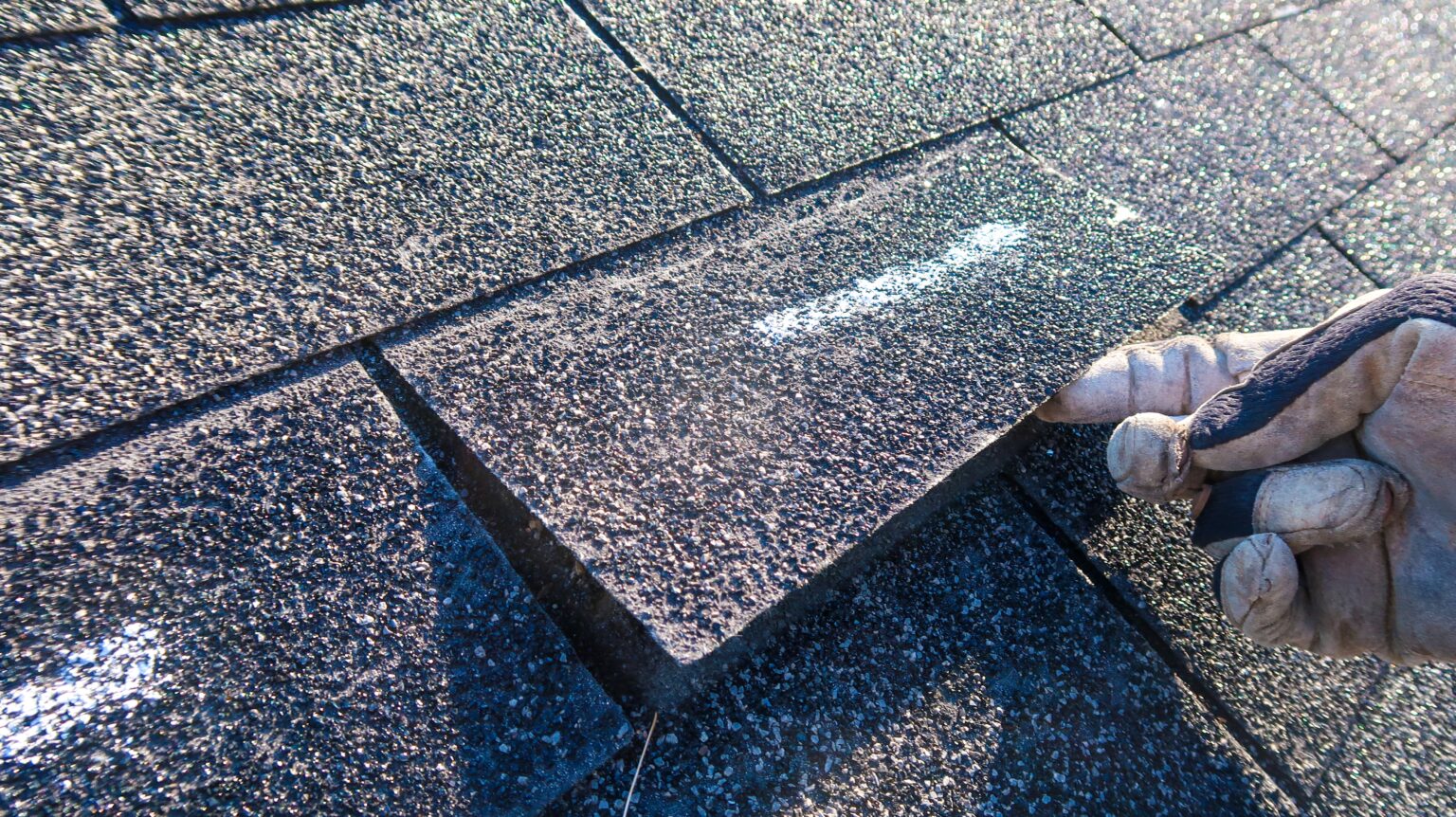
- Granule loss: Bald spots on asphalt shingles mean the protective layer is wearing thin, and the shingles underneath are more exposed to UV rays.
- Water stains: Stains on your ceiling or attic rafters usually point to water damage that’s already made it past your underlayment.
- Moss growth: Moss holds moisture against your shingles, which speeds up deterioration and can eventually lead to mold growth in your attic.
- Damaged flashing: The metal around chimneys, vents, and skylights is a common leak point once it cracks, rusts, or pulls away from the roof.
- Ice dams: Ridges of ice that form along your roof’s edge in winter can force water backward under your shingles, causing damage that isn’t always visible from the ground.
How Often Should You Get a Roof Inspection?
Most professional roofing contractors recommend a roof inspection at least once a year, along with a check after any major storm. A professional roof inspection catches small issues, like a few missing shingles or early granule loss, before they turn into structural damage.
Regular roof maintenance also matters for insurance purposes. If you ever need to file a homeowners insurance claim after storm damage, having records of routine inspections and repairs makes the claims process much smoother.
A roof inspection doesn’t need to be complicated. A good professional roofing contractor checks the roof deck, flashing, and attic ventilation, not just the shingles you can see from the driveway. Ask for photos of anything they find, especially damaged flashing or early granule loss, so you have a record for your own files.
Does Your Roofing Material Affect Energy Efficiency?
Your roof plays a bigger role in energy efficiency than most homeowners realize. Proper attic ventilation keeps your attic from turning into an oven in the summer, which takes pressure off your air conditioning system.
The underlayment beneath your shingles also adds a layer of protection and insulation to your roof deck. Skylights, if you have them, need careful flashing work during roof installation, since they’re one of the more common spots for both leaks and heat loss.
What Should You Know About Roof Replacement and Insurance?
Roof replacement is a significant investment, so it’s worth understanding what your homeowners insurance actually covers before storm damage happens.
What Do Policies Usually Cover?
According to Authority Network America, most Indiana roof policies cover sudden damage from severe weather, but they don’t typically cover a roof that’s simply reached the end of its life expectancy. If cost is a concern, ask about financing options before ruling out a full roof replacement.
Workmanship Warranties
Ask any roofing contractor you’re considering about their workmanship warranty, separate from the manufacturer’s material warranty. A strong workmanship warranty protects you if something goes wrong with the roof installation itself, not just the shingles.
Documenting Storm Damages
It’s also worth asking how a contractor documents storm damage for insurance purposes. A roofing contractor who’s used to working with homeowners insurance claims can usually walk you through what an adjuster will look for, which saves you from going back and forth on your own.
Schedule Your Free Roof Inspection From Taylor Home Improvement Today
If your roof is showing its age or you’re just not sure how much life it has left, Taylor Home Improvement is a GAF Master Elite certified roofing contractor serving Noblesville and Hamilton County. Schedule a roof inspection to get a straight answer on where things stand.
Frequently Asked Questions
How long does a roof last on average?
Most asphalt shingle roofs last 20 to 30 years depending on the type of shingle and how well they were installed. Metal, tile, and slate roofs can last significantly longer, often 50 years or more.
What are the first signs a roof needs replacing?
Missing shingles, granule loss, and water stains on your ceiling are usually the earliest visible signs. A professional roof inspection can catch problems before they show up inside your home.
Does ice cause roof damage in Indiana winters?
Yes. Ice dams are common during Central Indiana’s freeze-thaw winters, and they can force water underneath your shingles even when the roof looks fine from the ground.
Is a metal roof worth the extra cost?
For many homeowners, yes. A standing seam metal roof costs more upfront than asphalt shingles but can last two to three times as long, which often evens out the cost over the life of the roof.
How do I know if I need a roof repair or a full replacement?
A roof inspection from a professional roofing contractor like Taylor Home Improvement is the most reliable way to tell. Isolated issues like a few missing shingles or damaged flashing usually call for a repair, while widespread granule loss or structural damage points toward replacement.